

 0424 800 001
Ever been out in the garden and spotted these bright orange wasps? Australia is known for its amazing biodiversity that presents a wide arrange of insects, including wasps boasting a striking orange hue. They usually build their nests in gardens, evoking cautions and curiosities. To stay safe and prevent yourself from being stung, knowing the behavior of these giant orange wasps in Australia is important.
Ecological Importance of Wasps
To really get why these orange wasps matter, you should look at the whole picture of wasps in Australia. They are part of this huge group, like bees and ants, and they are seriously important for keeping everything balanced. They help control other bugs, spread pollen around and even feed other animals. Basically, they are like the unsung heroes of the backyard.
Identifying Features of Orange Wasps
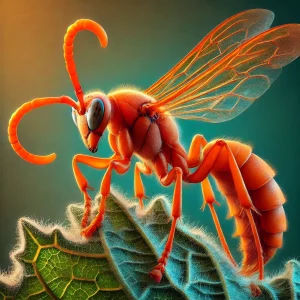
The most immediately noticeable characteristic of these wasps is their vivid orange colouration, often accompanied by contrasting black markings. However, this is not a singular species but rather a colouration seen amongst a variety of wasp families. To identify them more accurately, one must look beyond colour. Their slender bodies, defined by a distinct “wasp waist,” a narrow constriction between the thorax and abdomen, and the presence of two pairs of membranous wings, typically folded at rest, are key identifiers. Long, segmented antennae further distinguish these insects, playing a crucial role in their sensory perception.
Varied Species Displaying Orange Hues
- Ichneumon wasps are orange and black wasp species that lay their eggs inside or on other insects, ultimately leading to the host’s demise. This predatory behaviour makes them beneficial in controlling populations of other insects, particularly those considered agricultural pests.
- Spider wasps, known for their specialised hunting of spiders, also sometimes have orange markings. They paralyse their prey with a sting and use it as food for their larvae, showcasing a natural form of pest control Perth.
- Potter wasps, solitary wasps that construct distinctive mud nests, often shaped like small pots, can also feature orange patterns. They provision their nests with paralysed insects or spiders, ensuring a food source for their developing larvae.
- Even within the Vespidae family, known for their black and yellow colouration, some species or individuals can exhibit orange hues, adding to the complexity of identifying these insects.
Ecological Roles of Orange Wasps
These orange wasps are integral to maintaining ecological balance. They act as natural pest controllers, regulating populations of potential pests through predation and parasitism. This role is particularly important in agricultural and garden settings, where they help prevent outbreaks of harmful insects. While not as efficient as bees, some wasps contribute to pollination as they forage for nectar, inadvertently transferring pollen between flowers. They also serve as a vital food source for other animals, such as birds and spiders, playing a crucial role in the food chain and supporting biodiversity.
Understanding the Potential Danger
The question of whether orange wasps are dangerous depends largely on the species and their social behaviour. Solitary wasps, such as ichneumon wasps, spider wasps, and potter wasps, are generally less aggressive. They are more likely to sting only when directly threatened or handled. However, some Vespidae species are social and therefore more inclined to defend their nests with stings, posing a greater risk to humans and pets. It’s always advisable to avoid disturbing any wasp nests, especially those of social species. As with any stinging insect, there’s a risk of allergic reactions. If you experience severe symptoms after a sting, such as difficulty breathing or swelling, immediate medical attention is necessary.
Tips for Coexistence
Given their ecological importance, coexistence with orange wasps is preferable. Here are some practical tips to minimise encounters and potential stings: Avoid disturbing nests, especially those found in sheltered areas or underground. Keep food covered, especially outdoors, and clean up spills promptly to avoid attracting wasps. Maintain a clean environment by removing potential nesting sites, such as piles of wood or debris, and trimming overgrown vegetation. Learning to identify different wasp species and understanding their behaviours can also foster a more harmonious relationship, allowing you to appreciate their role in the ecosystem.
Seeking Professional Assistance
In cases of big orange wasp infestations or nests posing safety risks, especially near homes or public areas, seeking professional help is the best course of action. A qualified pest controller can safely remove nests and offer advice on preventing future infestations, ensuring the safety of your family and pets. They have the expertise and equipment to handle wasp problems effectively and minimise the risk of stings.
Appreciating Australia’s Orange Wasps
The orange wasps of Australia, with their captivating colours and diverse behaviours, contribute to the rich tapestry of our natural world. By gaining a deeper understanding of these insects, we can appreciate their ecological significance and learn to coexist peacefully with these remarkable creatures. They serve as a reminder of the intricate connections within our ecosystems and the importance of preserving biodiversity. By fostering a greater appreciation for these insects, we can ensure their continued role in maintaining the health and balance of our environment.
Don’t let the threat of stinging wasps control disrupt your outdoor enjoyment or compromise your family’s safety. Eco Safe Pest Control Perth understands the urgency and potential danger of wasp infestations. We focus on long-term prevention and employ cutting-edge techniques to eliminate wasp nests and deter future swarms. Call us now at 04 2480 0001 to schedule a thorough inspection and receive a personalised wasp control solution.
 Select an element to maximize. Press ESC to cancel.